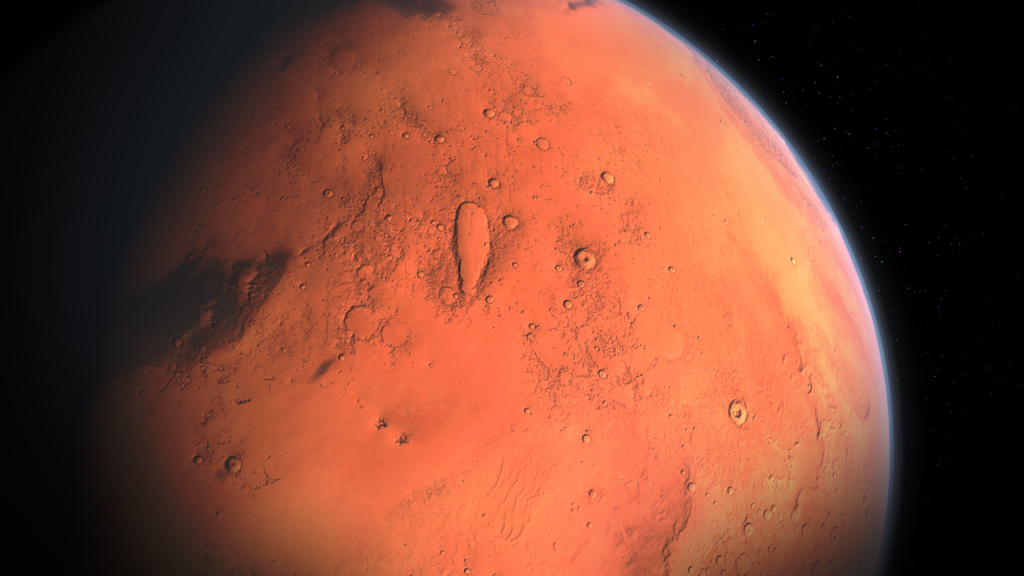
Mineral Clues on Mars Stir Life-Search Debate
Perseverance finds nickel compounds in Martian rocks that resemble Earth’s organic chemistry, but researchers say geology may still beat biology.
Perseverance finds nickel compounds in Martian rocks that resemble Earth’s organic chemistry, but researchers say geology may still beat biology.
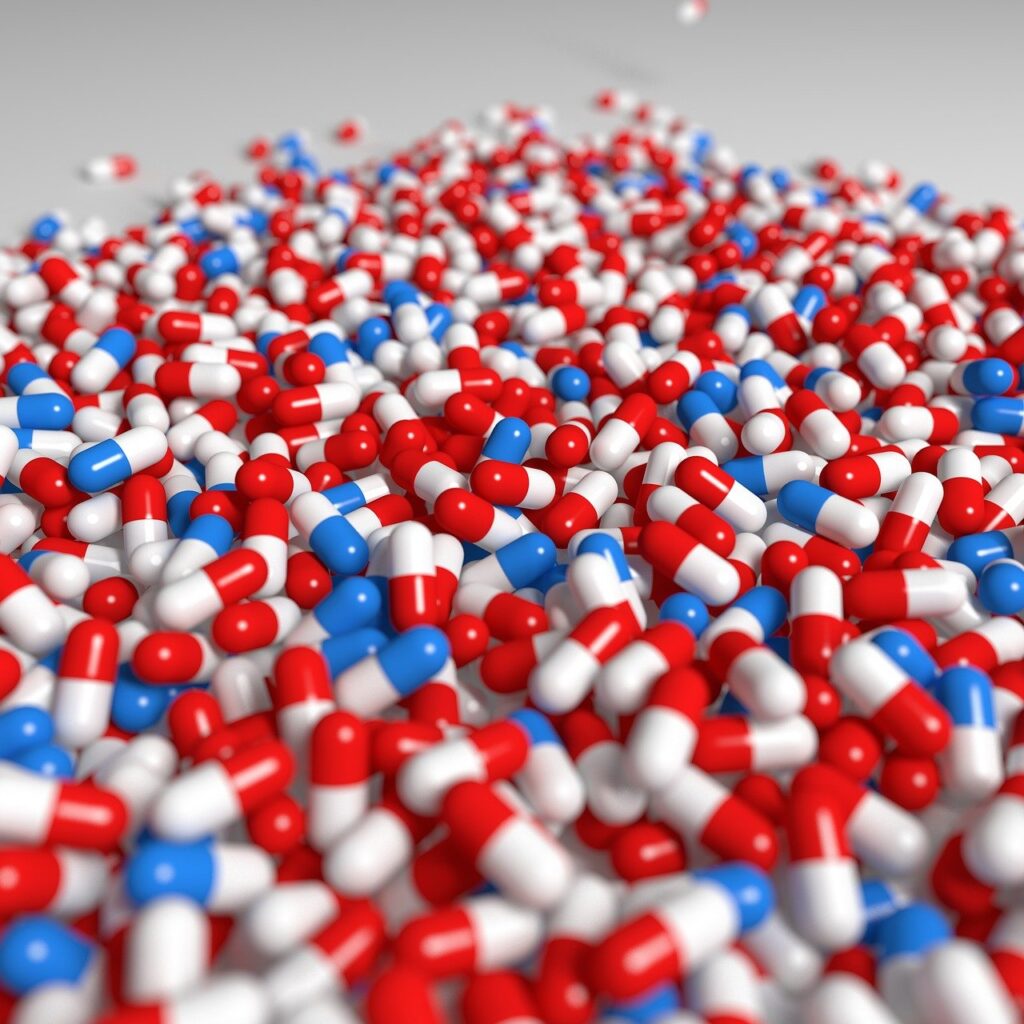
Start low, go slow: a safe approach to prescribing for older adults emphasizes careful dosing, monitoring, and individualized adjustments to reduce toxicity without sacrificing effectiveness.
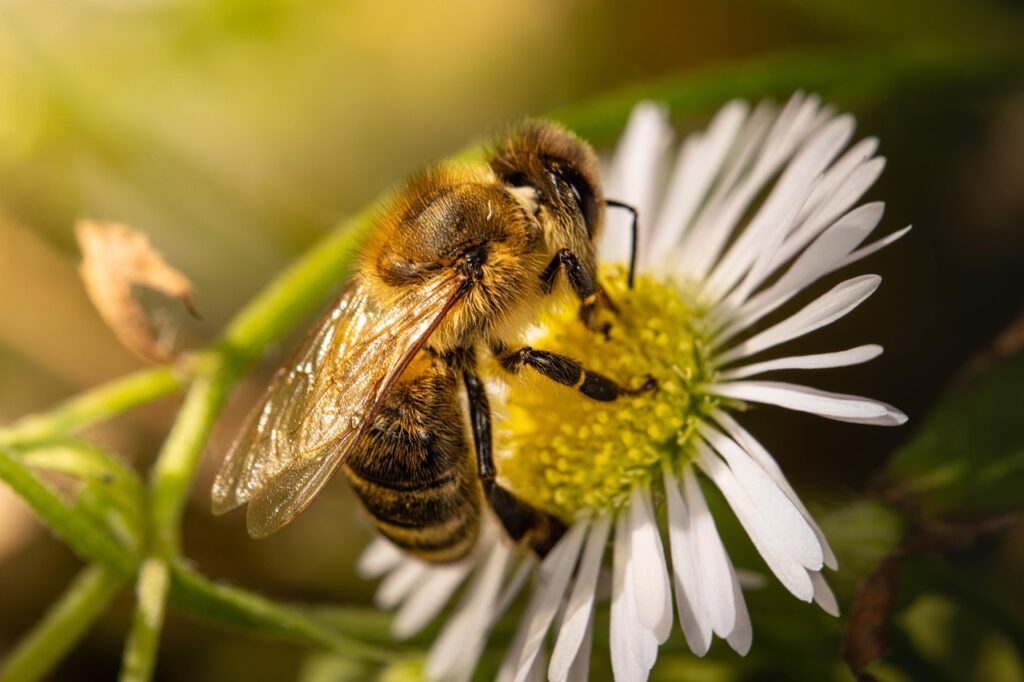
Nectar isn’t just sugar: it often contains alcohol that pollinators drink while foraging, shaping plant–pollinator interactions and the ecosystem around them.
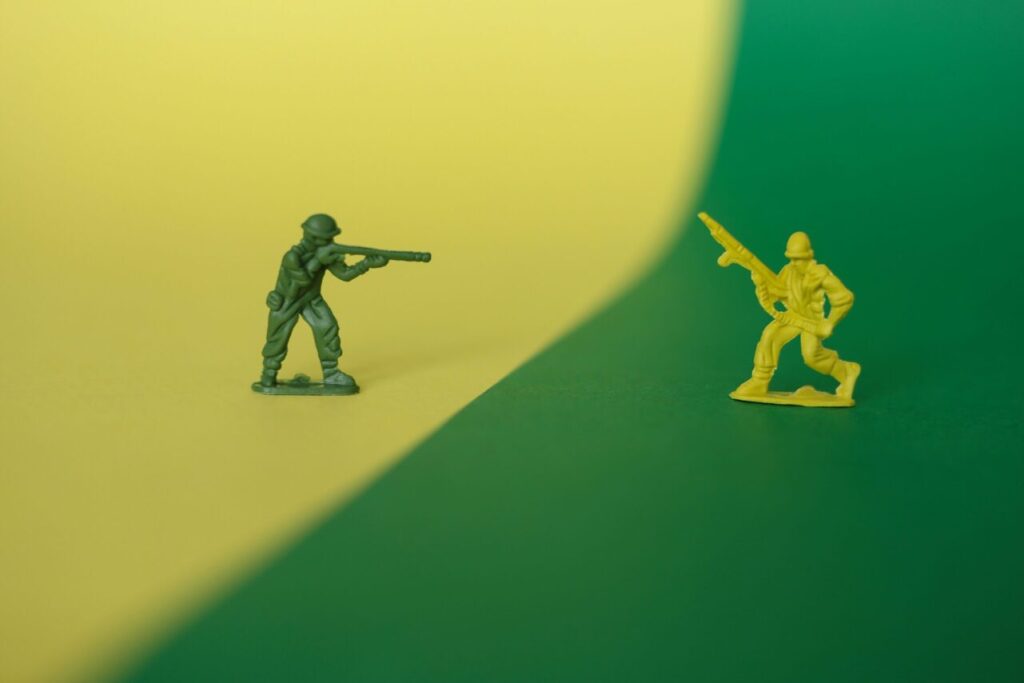
Alternative therapies clash with medicine standards, risking patient safety while demanding stronger science and regulation.
#alternativemedicine #liver
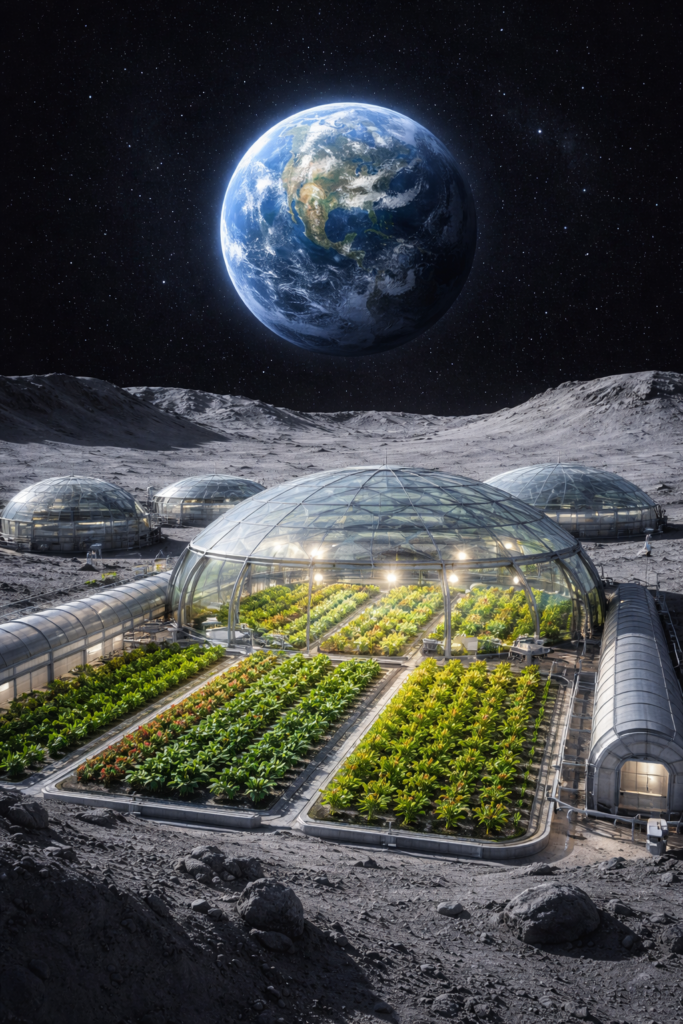
A look at how scientists are turning lunar regolith into soil to grow food, aiming for self-sustaining space habitats.
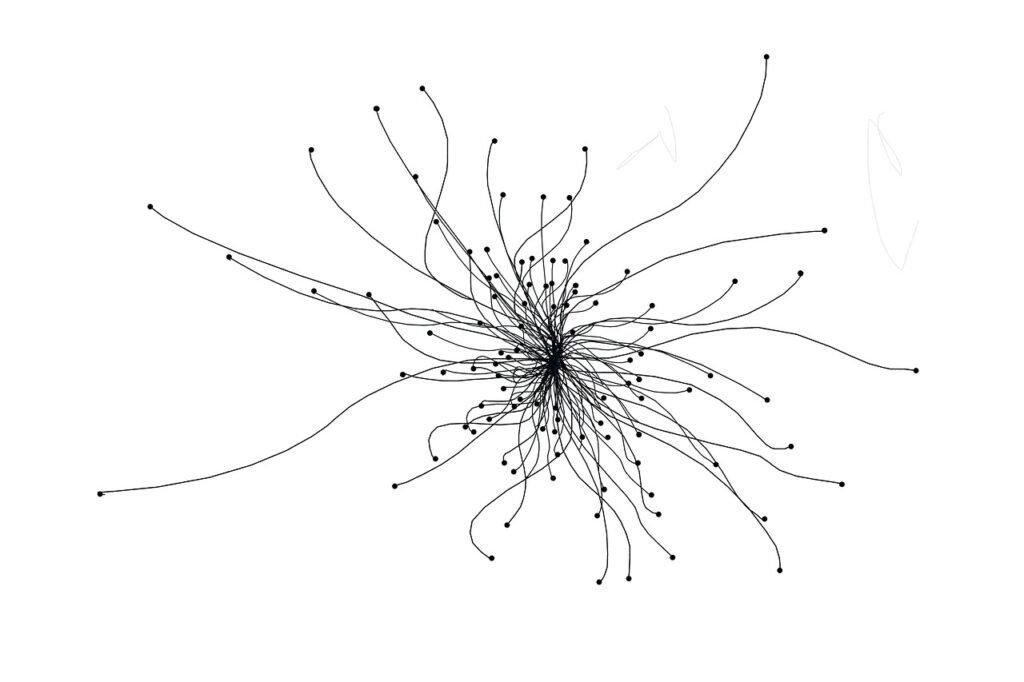
A new digital brain promises to drive a virtual body and spark questions about the future of brain modelling.
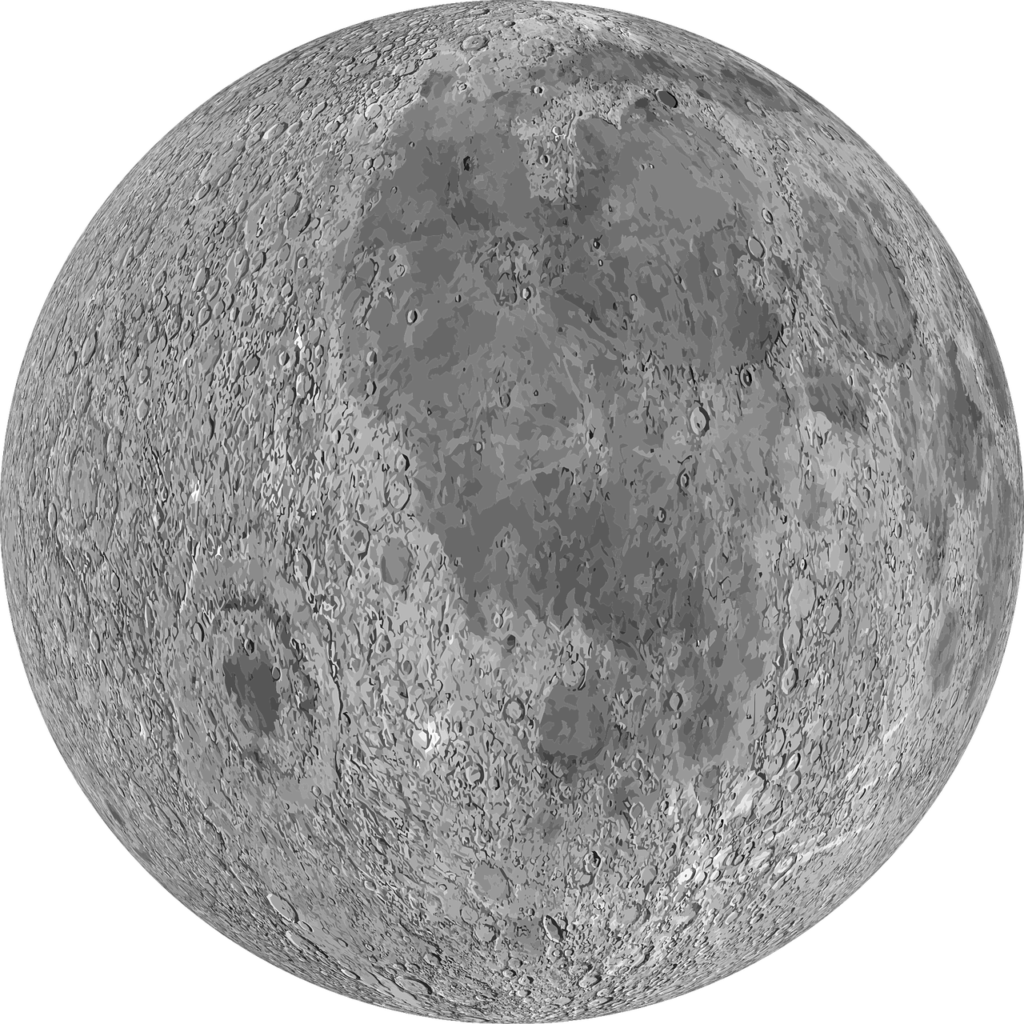
Scientists rule out Moon collision from asteroid 2024 YR4, confirming no threat to Earth or Moon.
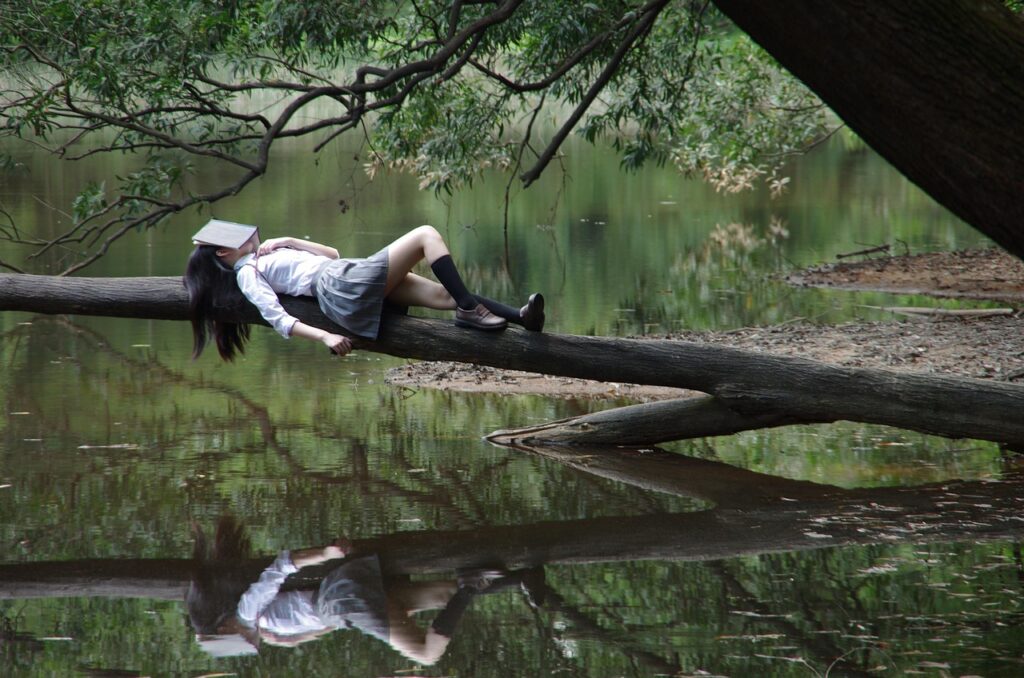
Flexible start times for school can boost teen sleep and performance, but cost and logistics matter. A thoughtful, staged approach could align health, learning, and budgets.
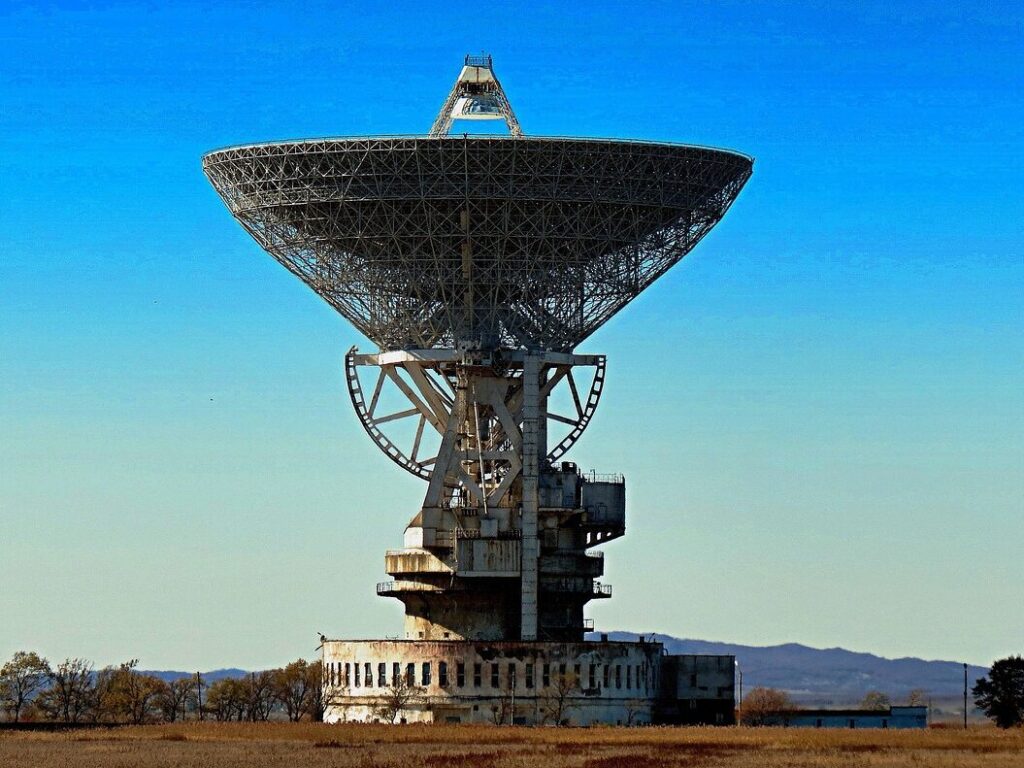
The European Space Agency and China’s Institute of Optoelectronics report gigabit links to GEO satellites, suggesting possible remote reprogramming for science or defense use
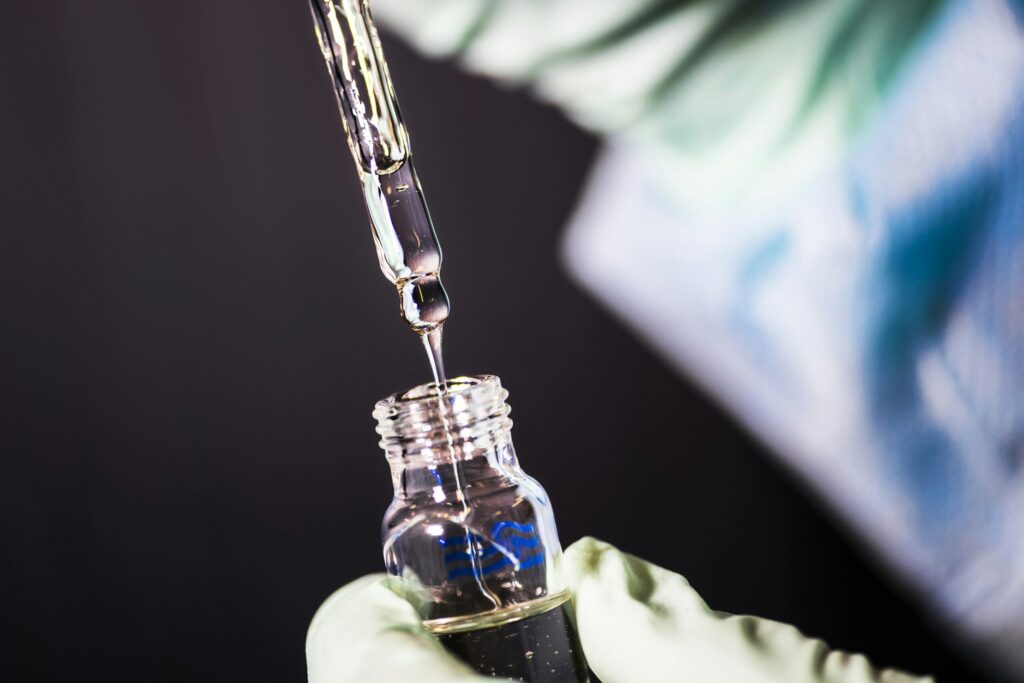
Anti-vaccine activists once asked why vaccinated families should worry about unvaccinated kids. Now some say vaccines block infections they want children to catch, while others claim vaccines spread disease. The contradiction reveals a deeper fight shaping vaccine policy and public health.