
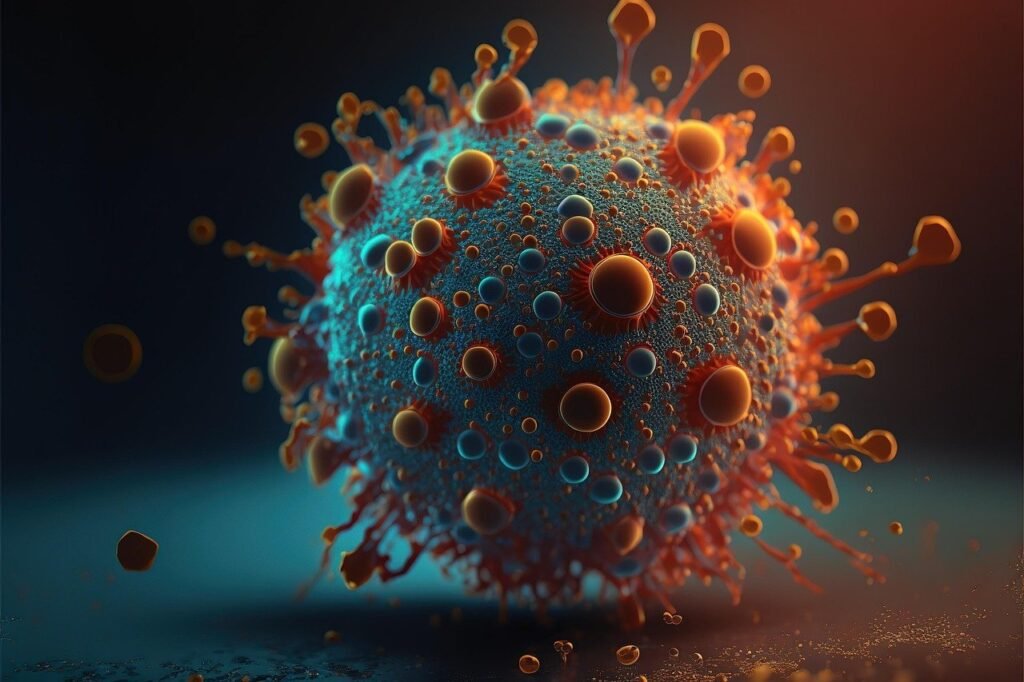
AI-Designed Viruses Reach a Human Patient
AI-designed bacteriophages have been administered to a patient for the first time, but the company hasn’t disclosed the outcome. Here’s what the early lab results show—and what remains unknown.
AI-designed bacteriophages have been administered to a patient for the first time, but the company hasn’t disclosed the outcome. Here’s what the early lab results show—and what remains unknown.
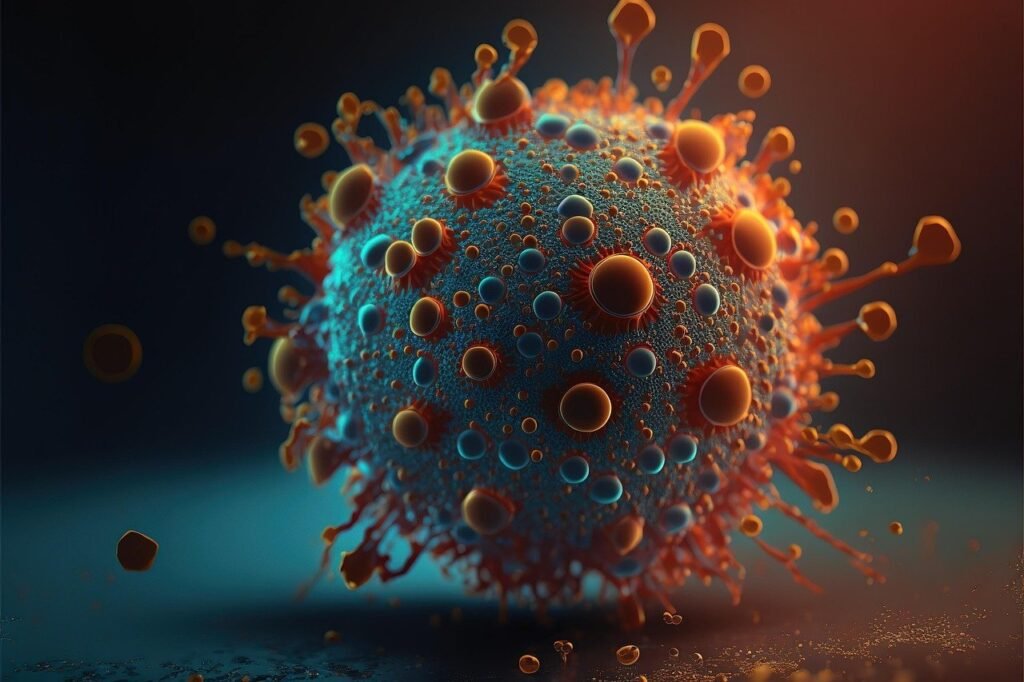
AI-designed bacteriophages have been administered to a patient for the first time, but the company hasn’t disclosed the outcome. Here’s what the early lab results show—and what remains unknown.

A balanced view of AI emphasizes realism: recognize risks, harness benefits, and push for thoughtful regulation and safeguards.

AI aids medical decisions but humans must interpret and supervise the guidance.

Paper2Agent converts papers into AI agents that discuss findings, reproduce results, and collaborate to push new discoveries.

Schools are moving beyond banning AI and teaching students how to understand its flaws. From hallucinations and bias to privacy and overreliance, the goal is simple: help students use AI without handing over their ability to think critically.
AI is helping researchers uncover errors buried in scientific papers and databases, but the technology has its own blind spots. For now, experts say AI may be best used as a second set of eyes—not the final judge of what is true.
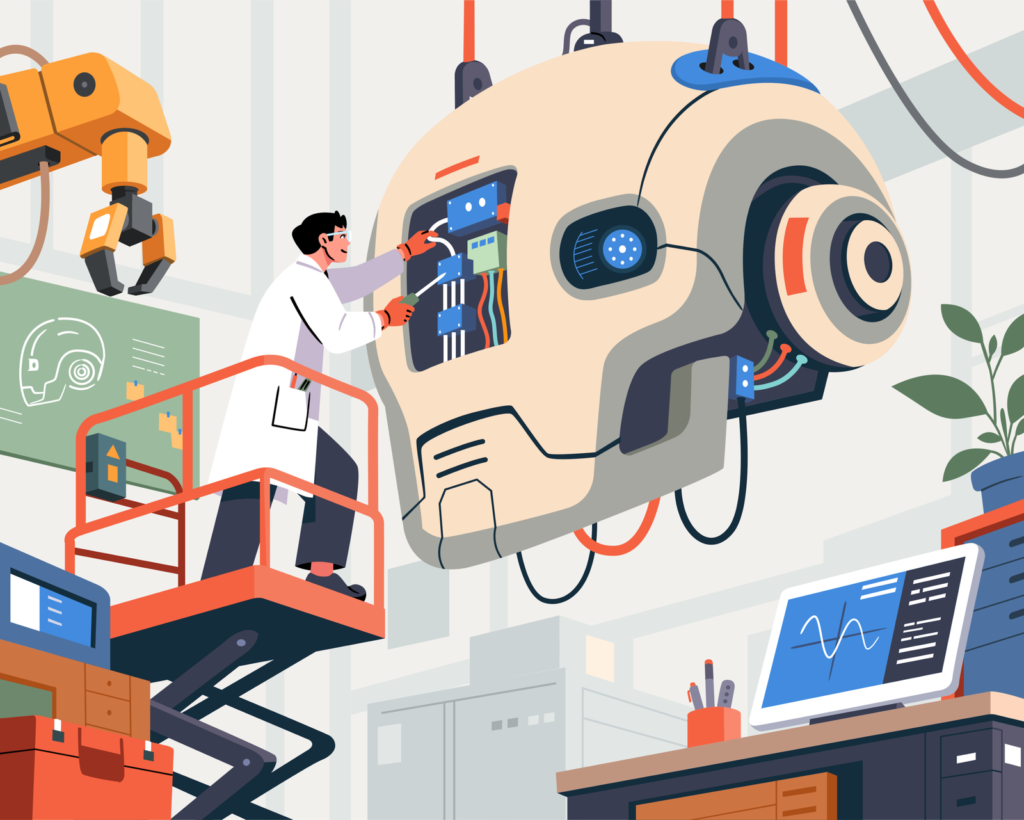
A practical look at why science communicators should learn AI basics, and how to discuss AI without hype or fear.
AI-generated explicit content is becoming a growing issue for teenagers. A new report explores how it affects privacy, consent, body image, and why parents, schools, and technology companies all have a role to play.
A new study suggests AI writing tools may do more than improve your grammar—they could also change the meaning of what you write. Find out why researchers are concerned about the future of online communication.