
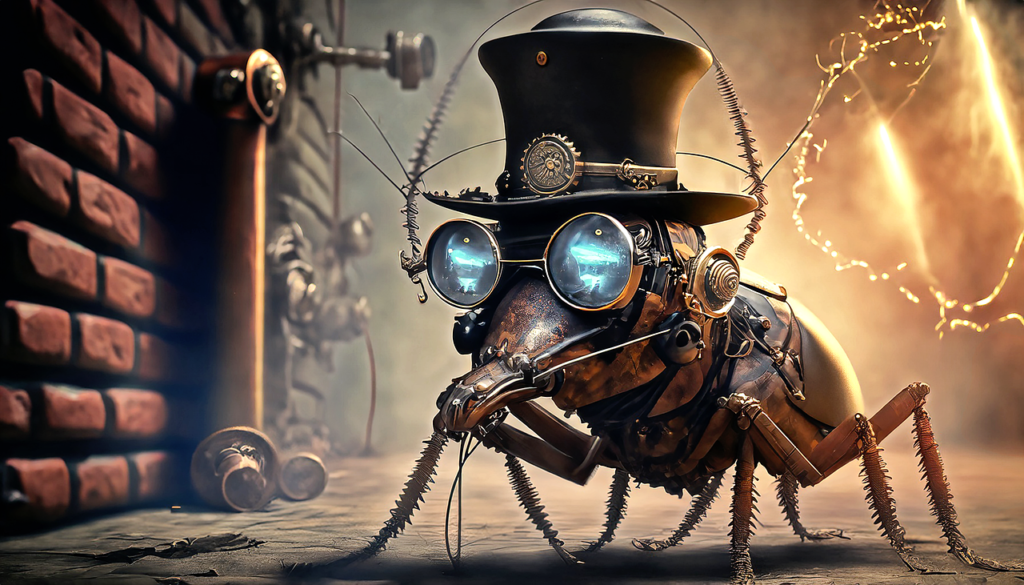
Cyborg Roaches: Rescue Tech or Sci-Fi Dream?
Cyborg cockroaches could steer, immobilize, and deliver life-saving drugs in disaster zones, offering a potential leap in rescue medicine.
Cyborg cockroaches could steer, immobilize, and deliver life-saving drugs in disaster zones, offering a potential leap in rescue medicine.

Detecting gravity at the quantum level moves from theory to testable experiments, reshaping our view of spacetime and the universe.
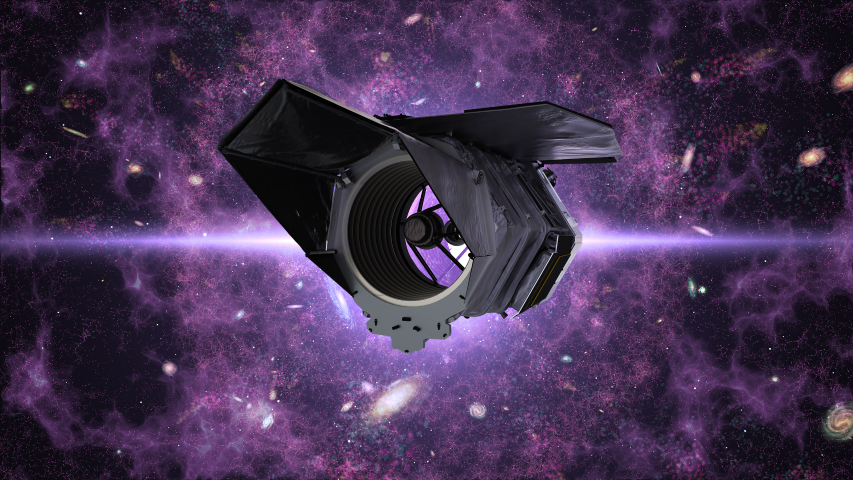
Roman telescope launches, opening new horizons in exoplanet imaging and cosmic mapping, as part of NASA’s open-data, multi-telescope network.
AI-assisted research training shows how to embed AI in learning to improve critical thinking and create verifiable, evidence-based research questions.

A new study demonstrates electricity-free elastocaloric cooling using nickel-titanium foils, hinting at scalable, waste-heat powered datacenter cooling.
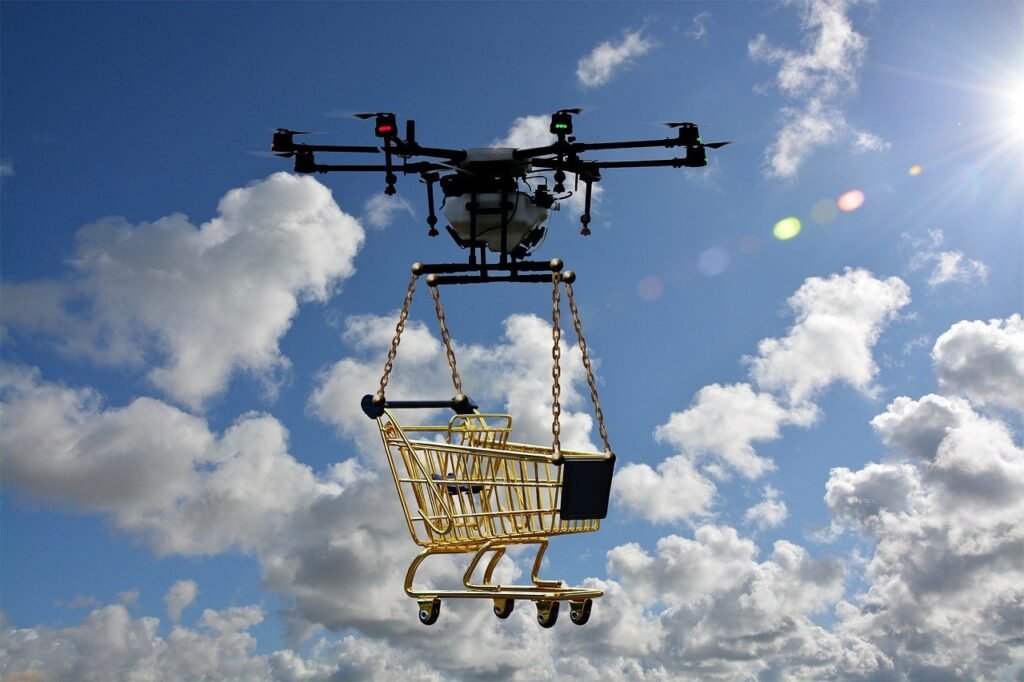
Drone delivery is growing, aided by better batteries and AI. It will complement trucks, tackle urgent needs, but requires safe drop zones and security measures.

The NIH’s new scoring format could hide political bias in grant decisions, echoing Lysenkoism and risking scientific integrity.
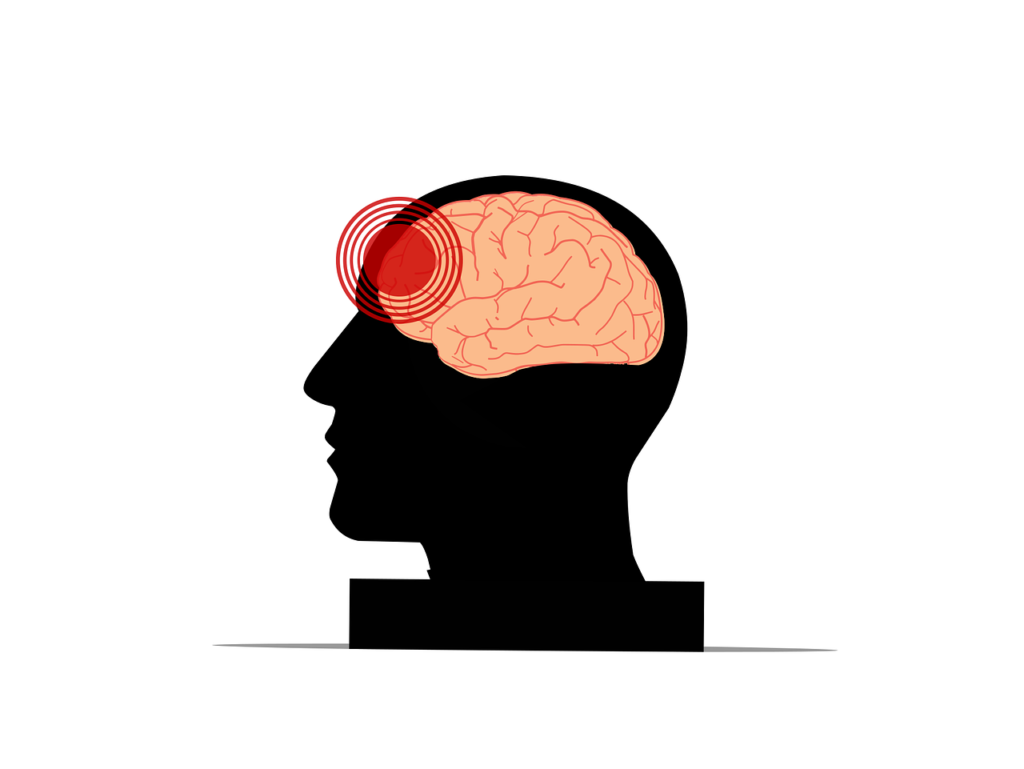
Traumatic brain injury affects millions each year, with many survivors facing long-term challenges. A major study highlights prevention, acute care, and rehabilitation as the paths to fewer deaths and better outcomes.
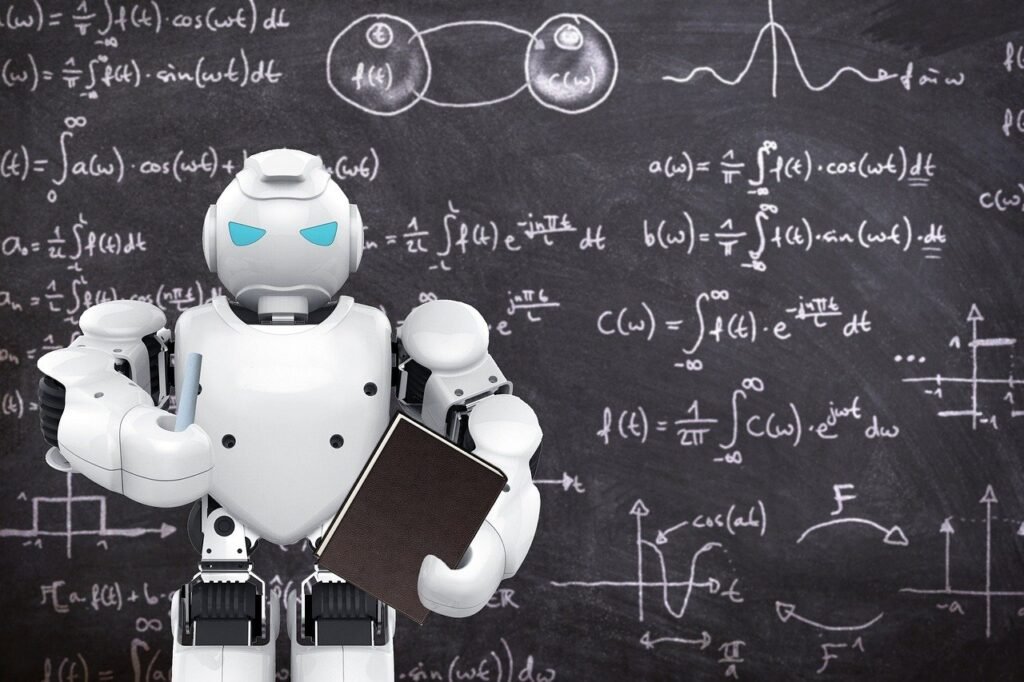
Schools are moving beyond banning AI and teaching students how to understand its flaws. From hallucinations and bias to privacy and overreliance, the goal is simple: help students use AI without handing over their ability to think critically.
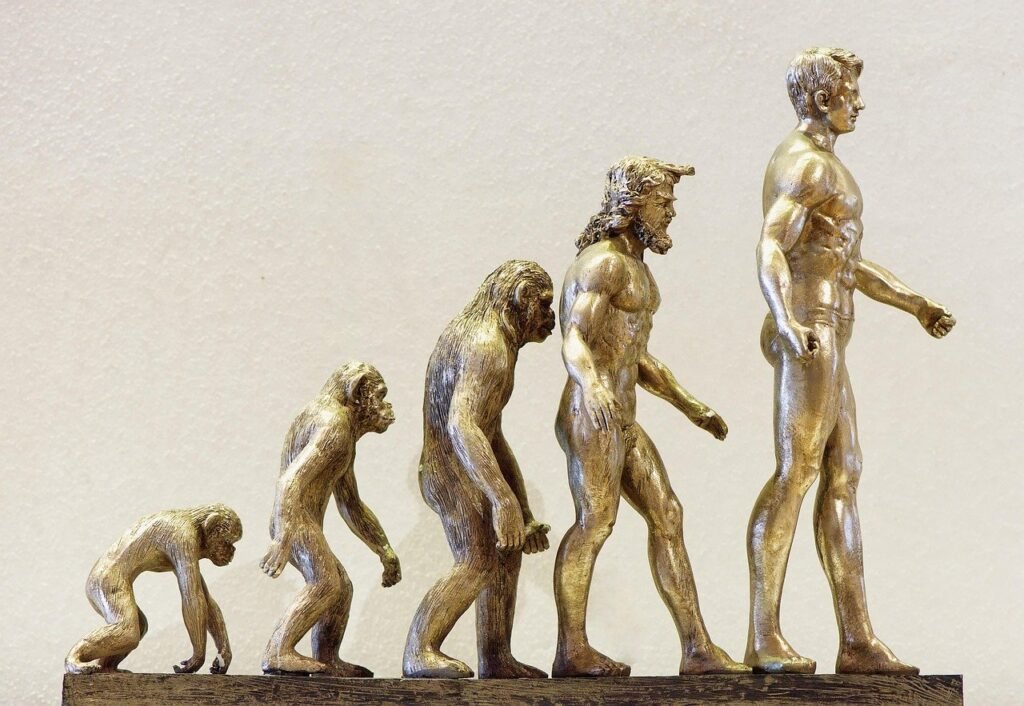
Paleontologist Ian Towle argues our current naming for humans and relatives is flawed. He suggests lumping late hominins into one genus to gain stability, though it would erase some ecological detail. The debate shines a light on the trade-offs in classifying evolution.