
Disinformation Tools: 2020 Rebooted
2020 is a tool for disinformation spreaders, not just a memory—don’t be diverted by nostalgia or excuses.
2020 is a tool for disinformation spreaders, not just a memory—don’t be diverted by nostalgia or excuses.
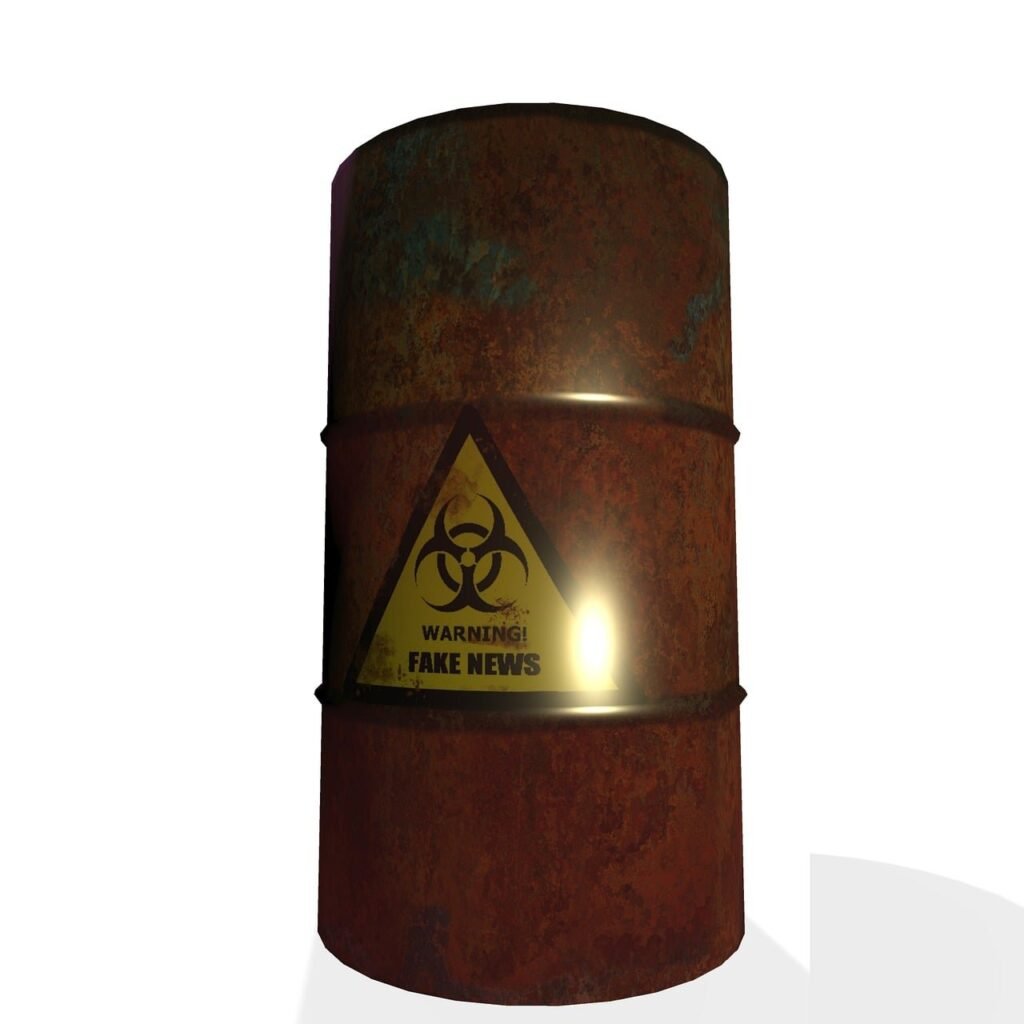
A study links critical thinking growth with how we process deceptive online content and social learning, offering practical paths to better online discernment.
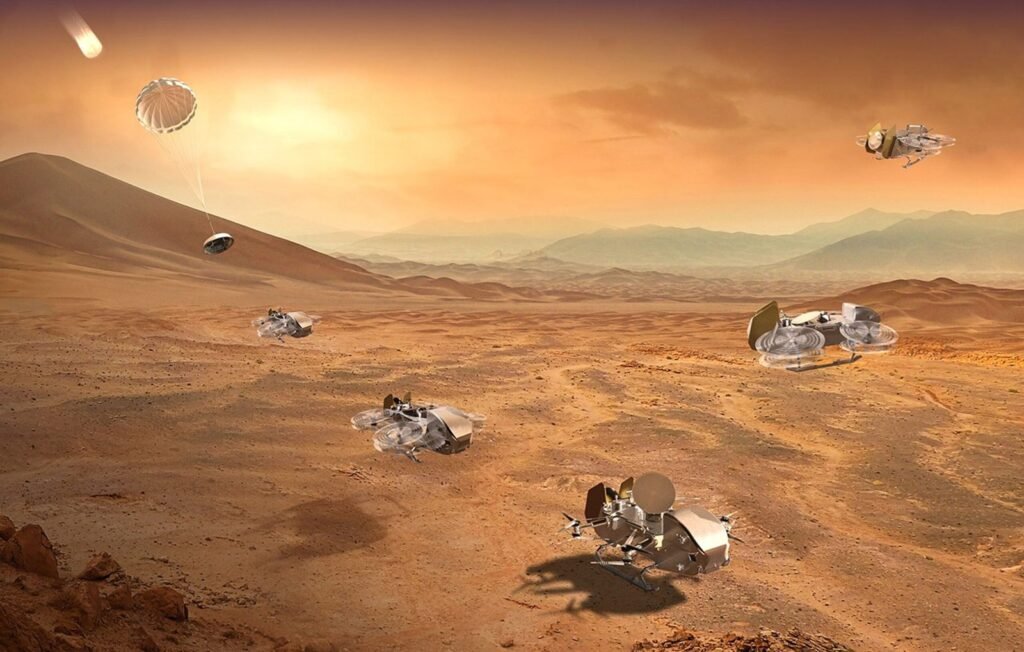
Dragonfly aims to redefine how we study Titan with aerial and ground data in a single mission.

Discover how sex-related traits form a spectrum, moving past simple labels to reveal a richer view of human biology.

After nearly two decades of searching, physicists say they have strong evidence for a mysterious glueball—a particle made largely from gluons. The finding could help explain how gluons interact and deepen our understanding of where mass comes from.
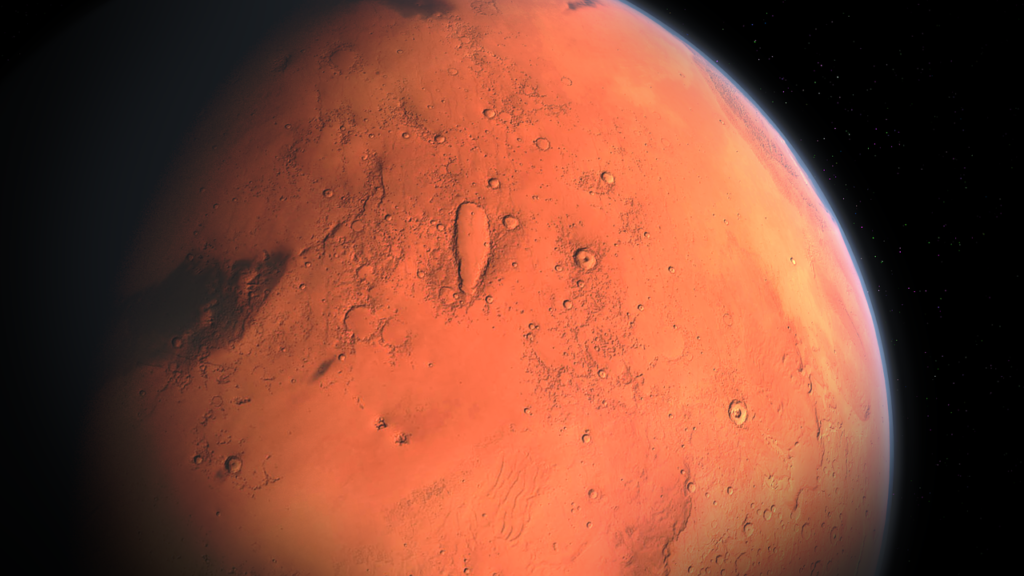
Mars terraforming isn’t the sci‑fi miracle it’s often made out to be.
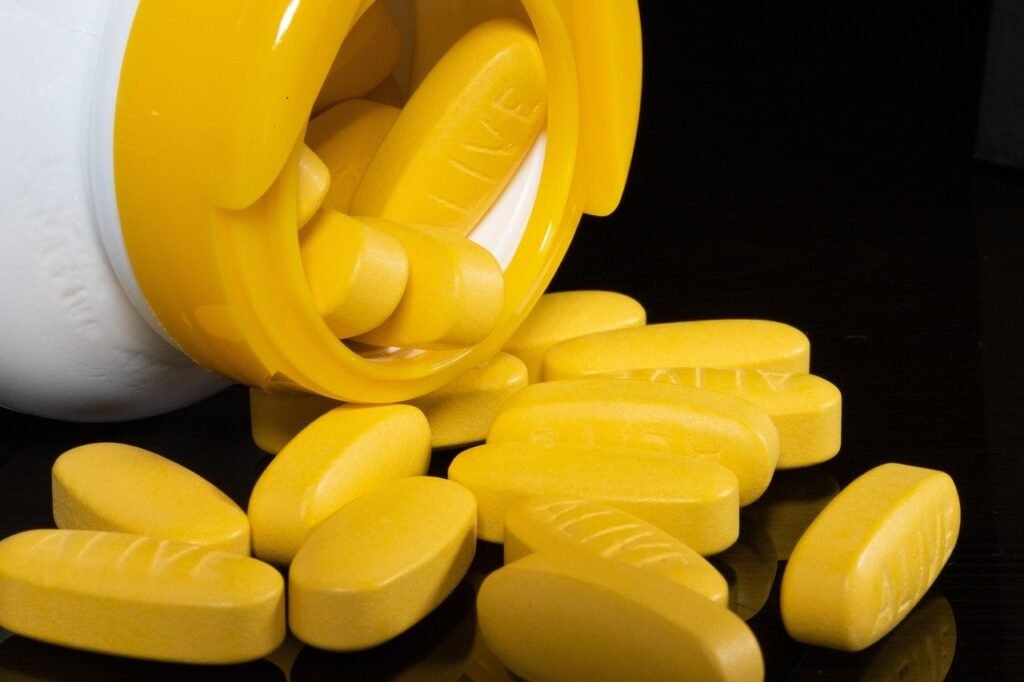
A look at rising warnings on Vitamin B6 and nerve damage risks from high-dose supplements.
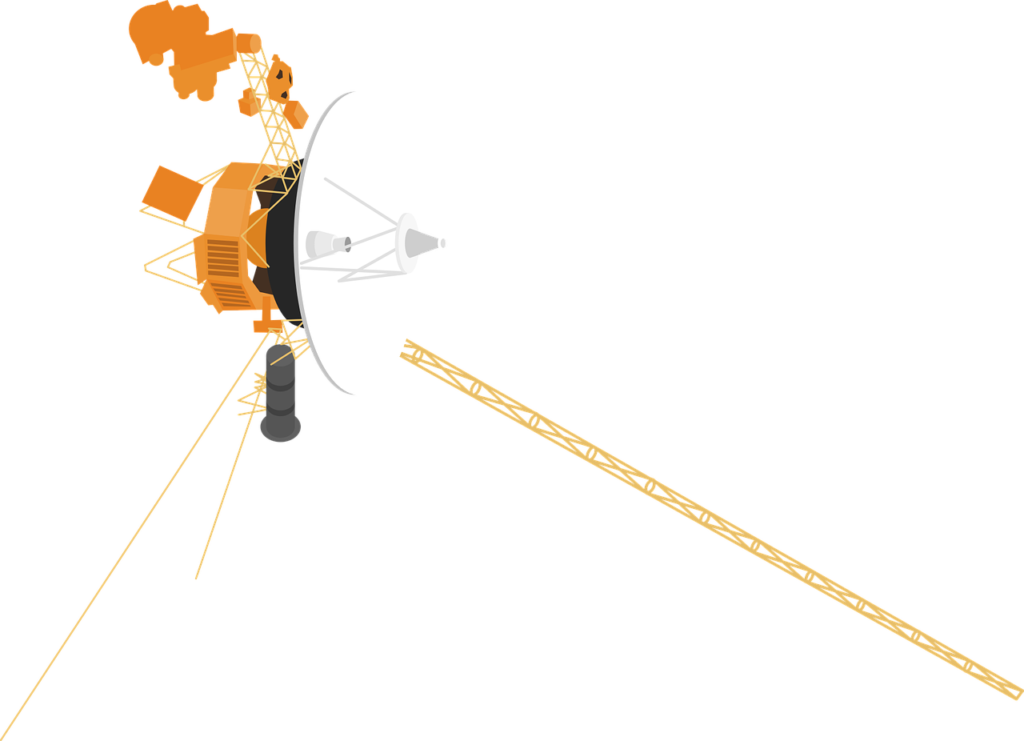
May tests loom as NASA pursues The Big Bang to extend Voyager life after a Voyager 1 power glitch, turning a setback into a potential leap for long-range space
AI is helping researchers uncover errors buried in scientific papers and databases, but the technology has its own blind spots. For now, experts say AI may be best used as a second set of eyes—not the final judge of what is true.
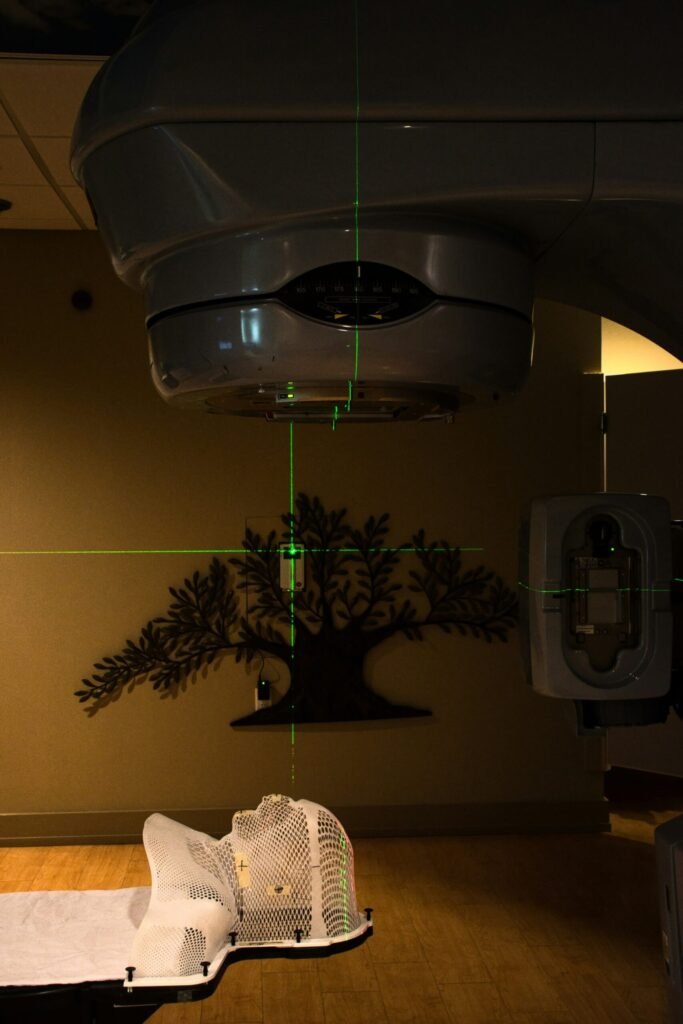
Cancer myths like the “toxins” defence mislead; science explains cancer as a disease driven by genetics and risk factors.