
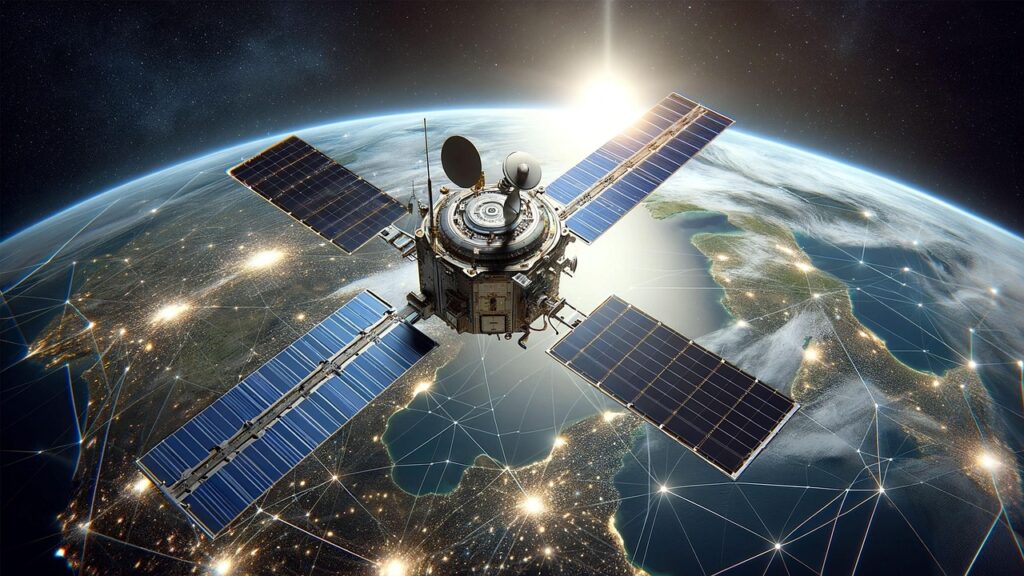
Detecting Weapons in Orbit
A new model suggests a small satellite could detect nuclear weapons in orbit by a neutron signature, offering a potential path to verify compliance with the Outer Space Treaty.
A new model suggests a small satellite could detect nuclear weapons in orbit by a neutron signature, offering a potential path to verify compliance with the Outer Space Treaty.

A USA federal assessment calls into question the future of naturopathic medicine amid program struggles and rising debt.
#naturopathy
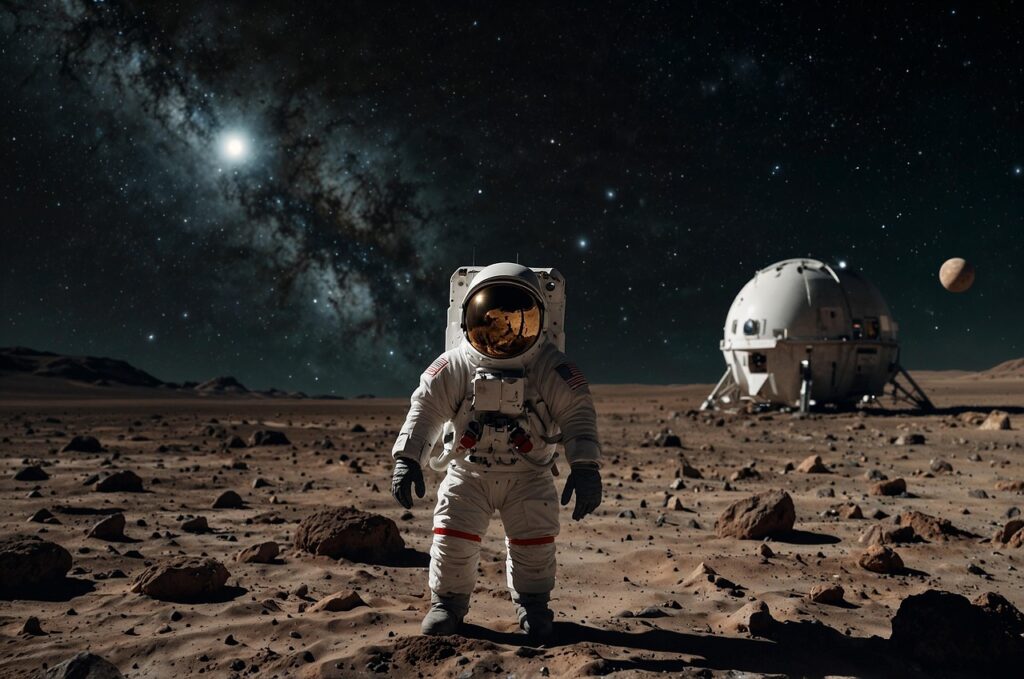
NASA launches a year-long isolated living experiment to prep crews for Moon and Mars missions, with selection and psychological checks and a look ahead to Artemis.
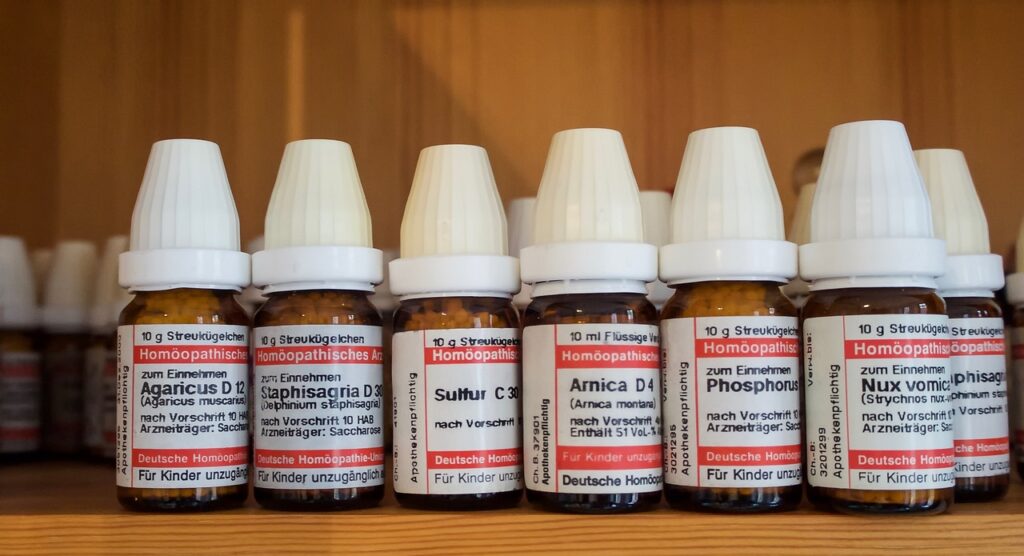
Regulatory and legal pressure tightens around the U.S.A. homeopathic industry, fuelling debate over safety and legitimacy.
Hydrogen hype ignores storage, efficiency, and cost realities. Battery EVs remain the practical path for transport, with hydrogen finding a niche in heavy industry and certain sectors

The WHO’s TCIM strategy blends tradition with policy, complicating the line between proven care and unverified therapies.

Minnesota researchers unveil SpudCell, the first artificial cell with a full life cycle, highlighting minimal genome insights and open-science aims.

Geothermal could power our grid for millennia, but breakthroughs in drilling and cost reductions are needed before it becomes mainstream.
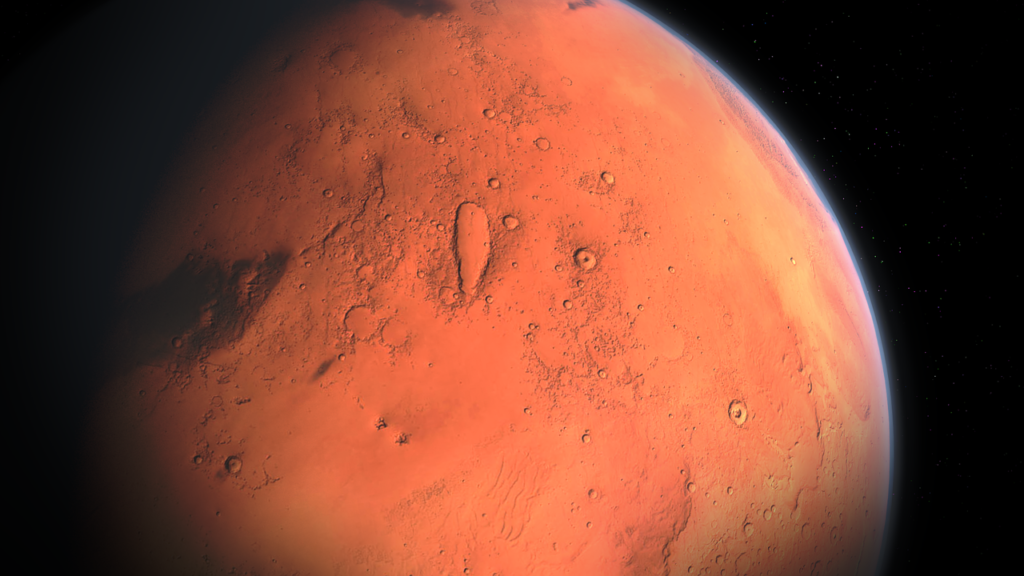
New macromolecular carbon hints from Jezero Crater renew hope about ancient Martian life, but definitive proof awaits Earth-bound samples.

Smartphones reshape health awareness, with apps offering trend insights and prompts for care, while inviting caution on data interpretation and privacy.