
From Char to Chapter: Scrolls Speak Again
The team’s new imaging and AI workflow makes an entire Herculaneum scroll readable, moving from patches to full-text recovery and promising more ancient texts unlocked.
The team’s new imaging and AI workflow makes an entire Herculaneum scroll readable, moving from patches to full-text recovery and promising more ancient texts unlocked.

A clear look at homeopathy papers on PubMed, what they show, and why the findings matter.

Echo chambers stem from user choices, while algorithms feed related content. No radicalization path found; transparency and user control urged.
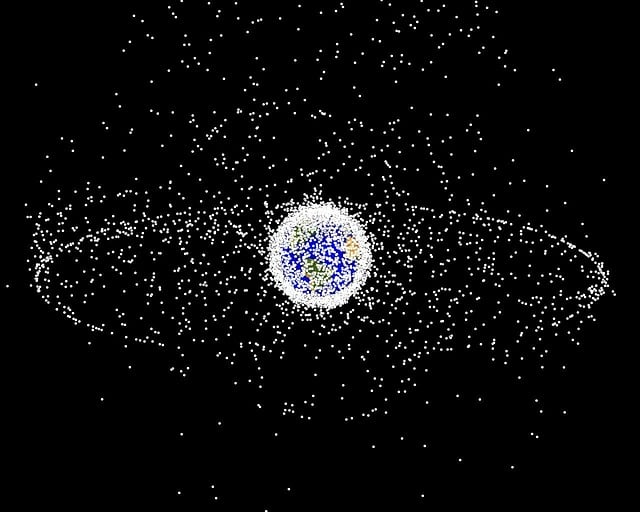
A Moon-focused recycling concept could reshape how we manage space around the Moon, moving beyond Earth-centric rules to a collaborative, sustainability-driven approach.
A Pennsylvania case involving faith healing has reignited a long-running debate over religious freedom, parental responsibility, and children’s right to medical care. The story explores a century of similar cases and the difficult questions they continue to raise.

UCSD and Google repurpose 2,000 retired Pixel Folds into a scalable, low-carbon compute cluster, using Linux, Kubernetes, and wired networking to run education and parallel-workloads.
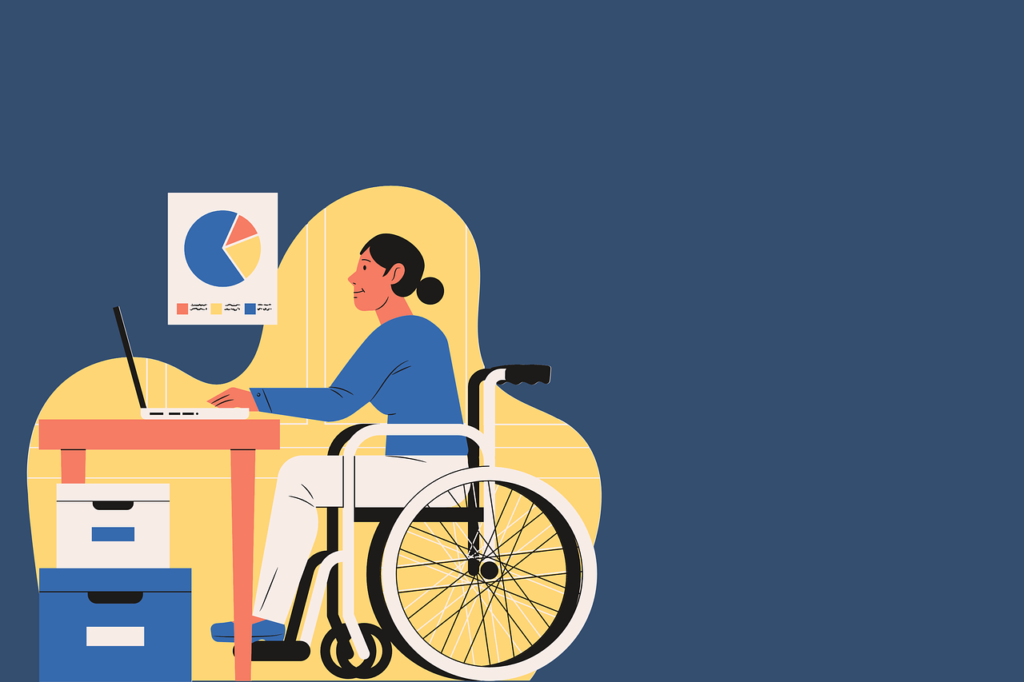
A breakthrough in brain–computer interfaces lets an ALS patient speak and work again, using AI‑driven neural decoding that translates brain signals into English.
Donut Lab’s claims collapsed under independent testing, underscoring why skepticism and verification matter before embracing bold tech promises.
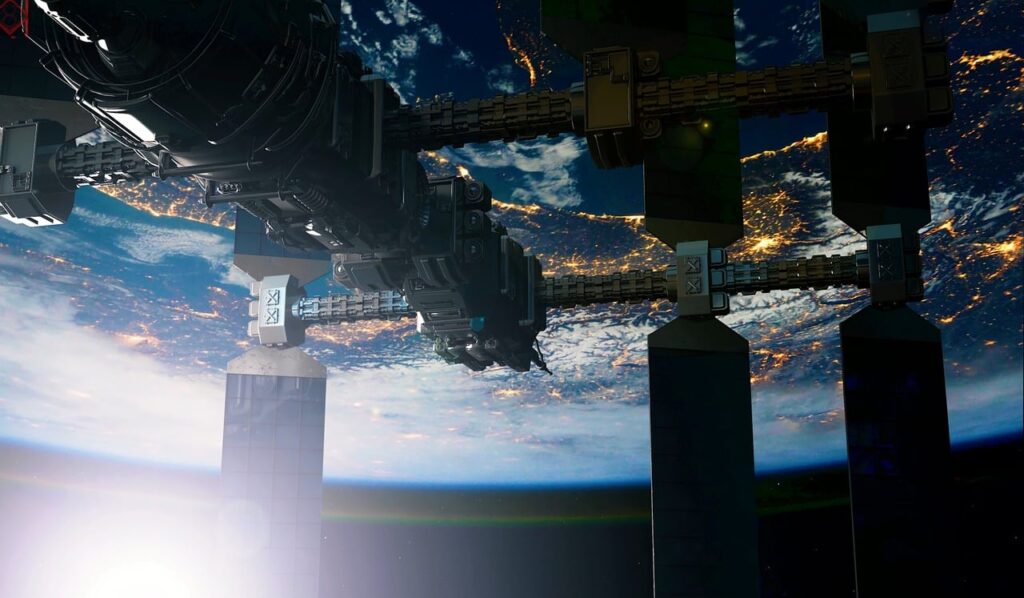
Roscosmos weighed risky access to the ISS, prompting NASA to pull back as leaks in Zvezda’s PrK module raise questions about the station’s future.
The sacrifices made by millions in 2020 deserve recognition, not revisionist takes from distant commentators.
#COVID